





Table of contents

Get treated by pain treatment industry leaders
Degenerative Disc Disease: Understanding Spinal Wear and Tear

Medically verified
Last updated on 03/17/2026

By Dr. George Hanna
Pain Doctor at Pain Treatment Specialists
University of Pennsylvania
Double Certified in Anesthesiology and Pain Medicine.
Degenerative disc disease is a common age-related condition that occurs when the intervertebral discs that cushion the spine begin to wear down and lose their structural integrity. Understanding the progression of this condition is the first step toward finding a sustainable clinical solution.
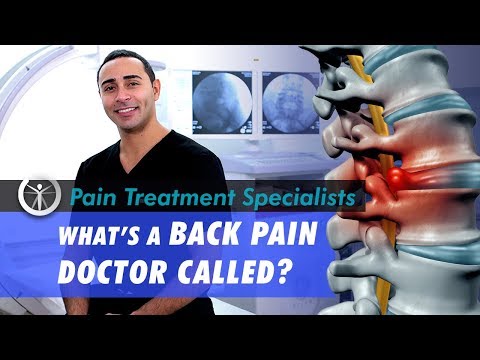
At Pain Treatment Specialists, we use an academic care model to address the symptoms of disc degeneration. By combining precision diagnostics with evidence-based interventional care, we help our patients stabilize their spine and achieve lasting relief from chronic back and neck pain.
What is Degenerative Disc Disease?
Degenerative disc disease (DDD) is not actually a "disease," but a term used to describe the normal changes that occur in your spinal discs as you age. Your spinal discs are soft, compressible shock absorbers that sit between the vertebrae that make up your spine. Over time, these discs can lose their high water content and become thinner, less flexible, and more prone to minor tears. When this happens, the discs lose their ability to act as effective cushions, leading to increased friction between the vertebrae and potential pressure on the surrounding spinal nerves.
While disc degeneration is a natural part of the aging process for many, it becomes a clinical issue when it results in persistent pain or neurological symptoms. The thinning of the discs can lead to "micro-instability" in the spine, causing the body to respond by growing bone spurs or thickening ligaments, which can further narrow the space for nerves. At Pain Treatment Specialists, we focus on identifying exactly how these degenerative changes are impacting your unique anatomy. By understanding the mechanical source of your discomfort, we can provide targeted treatments that stop the cycle of inflammation and restore your mobility.
What are the Common Symptoms and Causes?
The symptoms of degenerative disc disease vary depending on the location of the affected disc, but they most commonly involve localized pain in the lower back or neck. This pain often worsens with prolonged sitting, bending, or lifting—activities that place mechanical stress on the thinned discs. Many patients also experience "radiculopathy," where the thinning disc or an associated bone spur irritates a nerve root, leading to shooting pain, numbness, or tingling that travels into the arms or legs. These sensations are clear signals from the body that the spinal structure is no longer providing adequate protection for the nervous system.
The primary cause of disc degeneration is the gradual loss of hydration and proteins in the disc’s core, which occurs over decades. However, lifestyle factors like tobacco use, obesity, and repetitive physical strain can accelerate this process. Regardless of the cause, the physiological result is a reduced ability for the spine to handle the daily loads of life. Our board-certified specialists use advanced imaging and physical diagnostics to map your symptoms to the specific disc levels involved. This academic approach ensures that we provide a clear diagnosis and a medical strategy that addresses the structural imbalance directly.

"I've been walking more and I don't feel that excruciating pain"
Joseph
Knee pain patient
"I'm feeling better and sleeping much more."
Charina
Back pain patient
"My knees have never felt better, I'm so happy"
Jasmin
Knee pain patient
"I immediately felt the relief and a lot of comfort."
Carlos
Knee pain patient
How is Disc Degeneration Managed Non-Surgically?
At Pain Treatment Specialists, we prioritize non-surgical interventional care to manage the symptoms of degenerative disc disease. Procedures such as epidural steroid injections or facet joint blocks are used to deliver powerful anti-inflammatory medication directly to the source of the pain. These treatments are designed to "quiet" the irritated nerves and reduce the swelling caused by the degenerating disc, providing significant relief that oral medications cannot achieve. By neutralizing the acute inflammation, we allow the body to move into a state where functional rehabilitation and core strengthening can be most effective.
Long-term relief for disc degeneration is achieved by stabilizing the spine through functional rehabilitation. Once the pain is managed clinically, our focus shifts to strengthening the deep core muscles that support the lumbar and cervical regions. By building this "natural brace," we reduce the mechanical pressure placed on the thinned discs during daily activities. This holistic, academic care model provides the safest and most effective pathway to recovery, helping our patients avoid the risks of invasive surgery and return to an active, pain-free life. If disc pain is limiting your quality of life, a diagnostic workup at our clinic is the most reliable way to reclaim your functional freedom.
Most PPO insurances cover pain treatment!
and 100+ more
Questions about your insurance coverage?
We know health insurance is confusing, fortunately our expert team is always willing to help!
Just call us (877) 461-0819 to verify your coverage or answer any concern you may have.

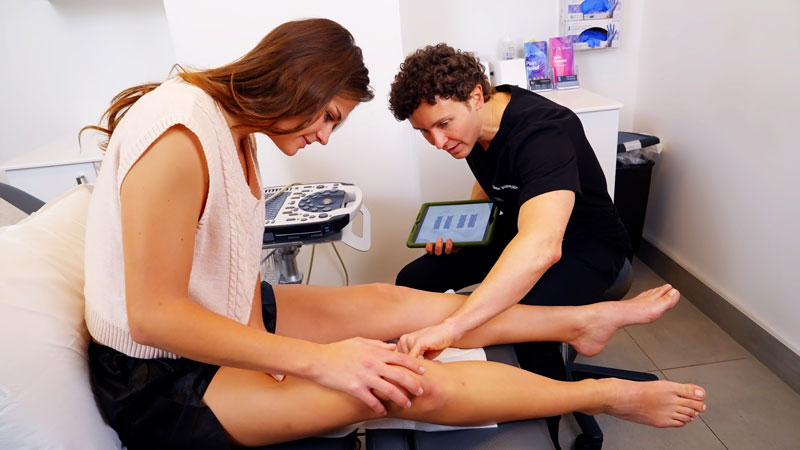
About the Medical Team at Pain Treatment Specialists

At Pain Treatment Specialists, our approach is rooted in an academic, evidence-based model of care that prioritizes patient safety and long-term outcomes. Our clinicians are trained at the nation’s leading medical institutions, bringing a high level of expertise to the diagnosis and treatment of complex pain conditions.
Clinical leadership at Pain Treatment Specialists is guided by a panel of board-certified specialists responsible for establishing and maintaining the clinic’s medical standards. Their approach reflects training developed at nationally recognized academic institutions such as Harvard, Yale, and Columbia.
All physicians follow a structured, highly standardized clinical model. This includes ongoing training in the latest non-surgical treatments, continuous review of emerging research, and strict adherence to proven safety and quality protocols to ensure consistent results.
If you’re experiencing symptoms and want clarity about the cause, a medical evaluation can help guide the next step. Schedule a Consultation

See how we change lives
Start Your Journey to
Pain-Free Life
At Pain Treatment Specialists, education is considered a core part of treatment. Patients are encouraged to understand their condition, their options, and the reasoning behind each recommendation to foster a collaborative recovery environment.
If you’re experiencing symptoms and want clarity about the cause, a medical evaluation can help guide the next step.
Take control, start feeling better
Take the first step to personalized care for your type of acute and chronic pain. One of our patient coordinators will call you to schedule your visit and verify insurance coverage.
