





Table of contents

Get treated by pain treatment industry leaders
What Is Degenerative Disc Disease? A Clinical Overview

Medically verified
Last updated on 03/17/2026

By Dr. George Hanna
Pain Doctor at Pain Treatment Specialists
University of Pennsylvania
Double Certified in Anesthesiology and Pain Medicine.
Understanding what degenerative disc disease is involves looking beyond the name to the natural physiological changes that occur within the spinal column over time. For many patients, this condition is a signal that the spine’s shock absorbers are requiring clinical attention and support.
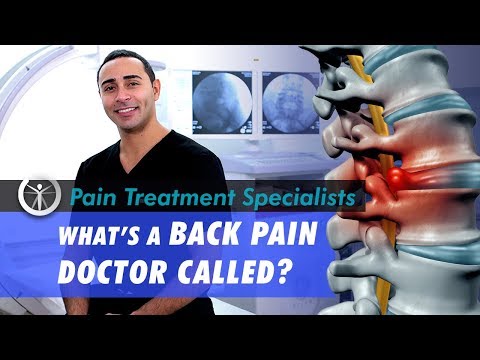
At Pain Treatment Specialists, we prioritize an academic care model to demystify the aging process of the spine. By using an evidence-based approach, we help you understand the mechanical drivers of your pain, allowing us to move toward a precise diagnosis and an effective treatment plan.
How is Degenerative Disc Disease Defined?
Degenerative disc disease (DDD) is a medical term used to describe the structural changes that occur in the intervertebral discs as they age. Despite the name, it is not actually a “disease” in the traditional sense, but a progressive condition where the soft, fluid-filled discs that cushion the vertebrae begin to lose their height and flexibility. Each disc consists of a tough outer layer and a jelly-like center; as we age, the center loses water content, making the disc thinner and less effective at absorbing the mechanical stresses of daily movement, such as walking, lifting, or sitting.
Because the spinal discs are essential for maintaining the space between vertebrae, their thinning can lead to secondary issues. As a disc loses height, the surrounding joints (facet joints) may begin to rub together, causing localized inflammation and stiffness. Furthermore, the body may respond to this instability by growing bone spurs, which can encroach on the spinal canal and press against nerve roots. At Pain Treatment Specialists, we define this condition not just by the wear-and-tear seen on an MRI, but by how these anatomical changes are impacting your unique neurological function and mobility.
What Causes the Discs to Degenerate?
The primary cause of disc degeneration is simple time and mechanical usage. Most people will show some signs of disc wear by the time they reach their 40s or 50s. However, several factors can accelerate this process, including repetitive physical strain, obesity, and tobacco use—which restricts blood flow and nutrient delivery to the spinal structures. While the discs do not have a robust blood supply of their own, they rely on the surrounding vertebrae to provide the hydration needed to remain supple. When this process is disrupted, the disc becomes brittle and more prone to minor tears or bulging, leading to persistent pain.
Understanding the “why” behind your disc degeneration is a core part of our academic approach. By identifying the mechanical and lifestyle factors contributing to your spinal wear, we can develop a medical plan that stops the cycle of chronic flare-ups. Our board-certified specialists use advanced diagnostics to determine if your pain is coming from the disc itself—known as discogenic pain—or from the secondary pressure placed on the spinal nerves. By pinpointing the specific mechanism of your discomfort, we can provide targeted treatments that reinforce the lumbar or cervical region and restore your quality of life.

"I've been walking more and I don't feel that excruciating pain"
Joseph
Knee pain patient
"I'm feeling better and sleeping much more."
Charina
Back pain patient
"My knees have never felt better, I'm so happy"
Jasmin
Knee pain patient
"I immediately felt the relief and a lot of comfort."
Carlos
Knee pain patient
When Should You See a Specialist for Disc Pain?
While some disc degeneration is expected as we age, it becomes a clinical concern when the pain is persistent, severe, or starts to travel into the limbs. You should seek a professional medical evaluation if your back or neck pain is accompanied by “radiculopathy”—shooting pain, numbness, or weakness in your arms or legs. These symptoms are your body’s way of signaling that the thinning disc is no longer providing adequate protection for your nervous system. Seeking a specialist early ensures that the structural source of your pain is identified before it leads to permanent neurological damage.
A consultation at Pain Treatment Specialists provides the diagnostic clarity needed to move forward with confidence. Our board-certified physicians specialize in non-surgical recovery, offering the same high-level expertise found at top academic medical institutions. We take the time to explain your diagnosis and how interventional techniques can resolve your pain without major surgery. If your back pain is interfering with your work, your sleep, or your ability to enjoy your family, a diagnostic workup is the most reliable way to explore your options and start your journey toward functional freedom.
Most PPO insurances cover pain treatment!
and 100+ more
Questions about your insurance coverage?
We know health insurance is confusing, fortunately our expert team is always willing to help!
Just call us (877) 461-0819 to verify your coverage or answer any concern you may have.

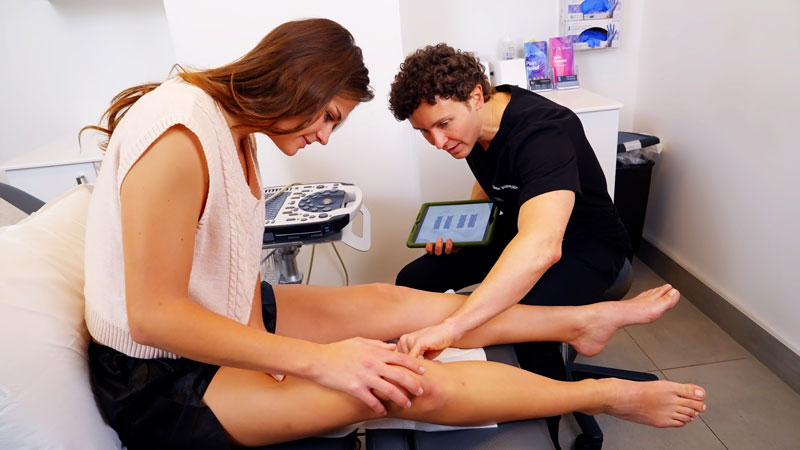
About the Medical Team at Pain Treatment Specialists

At Pain Treatment Specialists, our approach is rooted in an academic, evidence-based model of care that prioritizes patient safety and long-term outcomes. Our clinicians are trained at the nation’s leading medical institutions, bringing a high level of expertise to the diagnosis and treatment of complex pain conditions.
Clinical leadership at Pain Treatment Specialists is guided by a panel of board-certified specialists responsible for establishing and maintaining the clinic’s medical standards. Their approach reflects training developed at nationally recognized academic institutions such as Harvard, Yale, and Columbia.
All physicians follow a structured, highly standardized clinical model. This includes ongoing training in the latest non-surgical treatments, continuous review of emerging research, and strict adherence to proven safety and quality protocols to ensure consistent results.
If you’re experiencing symptoms and want clarity about the cause, a medical evaluation can help guide the next step. Schedule a Consultation

See how we change lives
Start Your Journey to
Pain-Free Life
At Pain Treatment Specialists, education is considered a core part of treatment. Patients are encouraged to understand their condition, their options, and the reasoning behind each recommendation to foster a collaborative recovery environment.
If you’re experiencing symptoms and want clarity about the cause, a medical evaluation can help guide the next step.
Take control, start feeling better
Take the first step to personalized care for your type of acute and chronic pain. One of our patient coordinators will call you to schedule your visit and verify insurance coverage.
