





Table of contents

Get treated by pain treatment industry leaders
What Does It Feel Like When Your Sciatic Nerve Is Pinched?

Medically verified
Last updated on 03/17/2026

By Dr. George Hanna
Pain Doctor at Pain Treatment Specialists
University of Pennsylvania
Double Certified in Anesthesiology and Pain Medicine.
Understanding What does it feel like when your sciatic nerve is pinched? is the first step toward identifying sciatica, a common form of lumbar radiculopathy. Because the sciatic nerve is the largest nerve in the body, its compression creates a distinct "map" of pain that travels from the lower back through the hip and down the leg.
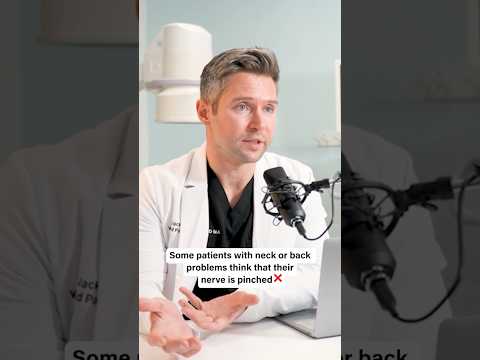
At Pain Treatment Specialists, we use an academic care model to diagnose the source of your sciatic discomfort. By identifying the exact sensations you are experiencing, we can pinpoint where the nerve is being entrapped and provide a targeted, non-surgical treatment plan to restore your mobility.
The Sensation of Radiating Electrical Pain
The hallmark of a pinched sciatic nerve is radiating pain that follows a specific path. Patients often describe it as a searing, sharp, or "electrical" sensation that starts in the lower spine and travels through the buttock, down the back of the thigh, and sometimes into the calf or foot. Unlike a localized muscle ache, this pain feels like it is moving. It can vary from a frequent dull ache to a sudden, jolt-like sensation that is aggravated by coughing, sneezing, or sitting for long periods. If you are asking What is pinched nerve? in the context of the leg, this "traveling" pain is the most definitive clinical marker.
Differentiating this from a pulled hamstring or gluteal strain is critical for Pinched nerve treatment. Muscle pain is typically felt as a "tightness" or "soreness" during use, whereas sciatic pain can be triggered by simply shifting your weight. At Pain Treatment Specialists, we prioritize a neurological assessment to track this pain path. By mapping where the "electricity" ends, our board-certified physicians can often predict which lumbar disc is causing the compression. This precision ensures that we treat the nerve root at the spine rather than just addressing the secondary leg pain.
Numbness, Tingling, and Muscle Weakness
Beyond the sharp pain, a pinched sciatic nerve often causes sensory changes like "pins and needles" (paresthesia) or localized numbness. You may feel like your foot or leg is "heavy" or has "fallen asleep." These Pinched nerve symptoms occur because the compression prevents the nerve from sending clear sensory signals back to the brain. In more severe cases, you may notice muscle weakness—such as a "foot drop"—where you struggle to lift the front of your foot while walking. This indicates that the motor signals are also being interrupted by the pressure at the nerve root.
Understanding these sensations is a core part of our academic approach. If you are experiencing a loss of sensation or strength, it is a signal that the nerve is under significant clinical stress. Our specialists use advanced diagnostics like high-resolution MRI to visualize the physical narrowing in the spine. By catching these symptoms early, we can intervene with interventional techniques like epidural injections to reduce the "fire" around the nerve. This prevents the progression toward permanent nerve damage and helps you avoid the need for more invasive spinal surgery.

"I've been walking more and I don't feel that excruciating pain"
Joseph
Knee pain patient
"I'm feeling better and sleeping much more."
Charina
Back pain patient
"My knees have never felt better, I'm so happy"
Jasmin
Knee pain patient
"I immediately felt the relief and a lot of comfort."
Carlos
Knee pain patient
When to Seek Expert Help for Sciatica Feeling
You should seek a specialist's evaluation immediately if your sciatic pain is accompanied by significant muscle weakness, a loss of sensation, or if it follows a traumatic injury. While mild irritation may occasionally improve with rest, persistent sciatic pain is a sign of a structural issue like a herniated disc. Seeking a professional diagnosis early allows you to explore non-surgical Pinched nerve treatment options that decompress the nerve root safely. This is the most reliable way to achieve a full recovery and prevent the condition from becoming a chronic, debilitating limitation on your active lifestyle.
A consultation at Pain Treatment Specialists provides the expert clarity needed to understand your pain. Our board-certified physicians specialize in non-surgical recovery, offering the same level of expertise found at top academic medical institutions. We take the time to explain What does it feel like when your sciatic nerve is pinched? in the context of your specific MRI results and how our advanced techniques can resolve your pain safely. If sciatic nerve pain is stopping you from enjoying your life, a professional diagnostic workup is the most reliable first step toward achieving a life that is no longer defined by radiating pain.
Most PPO insurances cover pain treatment!
and 100+ more
Questions about your insurance coverage?
We know health insurance is confusing, fortunately our expert team is always willing to help!
Just call us (877) 461-0819 to verify your coverage or answer any concern you may have.

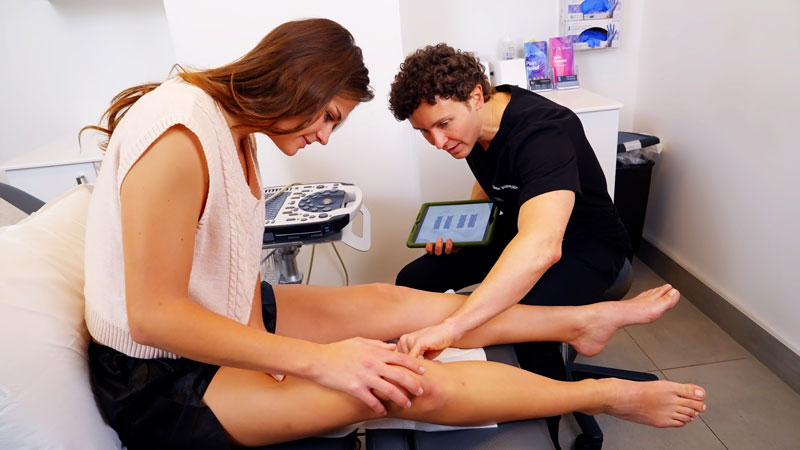
About the Medical Team at Pain Treatment Specialists

At Pain Treatment Specialists, our approach is rooted in an academic, evidence-based model of care that prioritizes patient safety and long-term outcomes. Our clinicians are trained at the nation’s leading medical institutions, bringing a high level of expertise to the diagnosis and treatment of complex pain conditions.
Clinical leadership at Pain Treatment Specialists is guided by a panel of board-certified specialists responsible for establishing and maintaining the clinic’s medical standards. Their approach reflects training developed at nationally recognized academic institutions such as Harvard, Yale, and Columbia.
All physicians follow a structured, highly standardized clinical model. This includes ongoing training in the latest non-surgical treatments, continuous review of emerging research, and strict adherence to proven safety and quality protocols to ensure consistent results.
If you’re experiencing symptoms and want clarity about the cause, a medical evaluation can help guide the next step. Schedule a Consultation

See how we change lives
Start Your Journey to
Pain-Free Life
At Pain Treatment Specialists, education is considered a core part of treatment. Patients are encouraged to understand their condition, their options, and the reasoning behind each recommendation to foster a collaborative recovery environment.
If you’re experiencing symptoms and want clarity about the cause, a medical evaluation can help guide the next step.
Take control, start feeling better
Take the first step to personalized care for your type of acute and chronic pain. One of our patient coordinators will call you to schedule your visit and verify insurance coverage.
