





Table of contents

Get treated by pain treatment industry leaders
Stenosis: Understanding Spinal Narrowing and Nerve Pressure

Medically verified
Last updated on 03/17/2026

By Dr. George Hanna
Pain Doctor at Pain Treatment Specialists
University of Pennsylvania
Double Certified in Anesthesiology and Pain Medicine.
Stenosis is a clinical condition characterized by the narrowing of the spaces within your spine, which can put pressure on the nerves that travel through the spinal canal. Understanding how this compression affects your nervous system is the first step toward reclaiming your functional mobility.

At Pain Treatment Specialists, we use an academic care model to address the complexities of spinal stenosis. By combining precision diagnostics with minimally invasive interventional care, we help our patients resolve nerve pressure and return to an active life without invasive surgery.
What is Spinal Stenosis?
Spinal stenosis occurs when the open spaces within the spine narrow, creating a "crowded" environment for the spinal cord and nerve roots. This narrowing is most commonly caused by wear-and-tear changes in the spine related to osteoarthritis. As the body attempts to stabilize aging vertebrae, it may produce bone spurs or thickened ligaments that encroach on the spinal canal. While stenosis can occur anywhere in the spine, it is most frequently found in the lumbar region (lower back) and the cervical region (neck), where it can significantly impact a patient’s ability to walk or perform fine motor tasks.
The primary challenge of stenosis is the mechanical pressure it exerts on sensitive neural tissues. When the spinal canal narrows, the blood flow to the nerves can be restricted, leading to inflammation and pain. At Pain Treatment Specialists, we view stenosis as a structural issue that requires a specialized clinical response. Our board-certified physicians use advanced imaging to determine the exact degree of narrowing and identify which specific nerve roots are being compromised. This precision allows us to develop a treatment plan that targets the source of the pressure directly.
What are the Symptoms of Stenosis?
The symptoms of stenosis often develop gradually and may vary depending on the location of the narrowing. In the lumbar spine, a classic symptom is "neurogenic claudication," which manifests as pain, tingling, or heaviness in the legs that worsens with standing or walking but improves when leaning forward or sitting. In the cervical spine, stenosis may cause numbness or weakness in the hands, balance issues, or radiating pain into the shoulders. Because these symptoms can mimic other conditions, a professional diagnostic evaluation is essential to confirm that spinal narrowing is the biological cause.
If left unaddressed, the persistent compression from stenosis can lead to progressive neurological decline. Many patients find themselves unconsciously limiting their activity to avoid pain, which leads to muscle wasting and a further loss of stability. Our academic approach focuses on stopping this decline early. By mapping your symptoms to the anatomical narrowing seen on imaging, we can intervene with medical strategies that reduce the "inflammatory soup" around the nerves. This helps restore nerve function and provides the symptomatic relief necessary to engage in physical rehabilitation and core strengthening.

"I've been walking more and I don't feel that excruciating pain"
Joseph
Knee pain patient
"I'm feeling better and sleeping much more."
Charina
Back pain patient
"My knees have never felt better, I'm so happy"
Jasmin
Knee pain patient
"I immediately felt the relief and a lot of comfort."
Carlos
Knee pain patient
Non-Surgical Treatments for Stenosis
Modern interventional medicine offers highly effective non-surgical pathways for managing stenosis. Epidural steroid injections are a primary clinical tool, used to deliver powerful anti-inflammatory medication directly into the narrowed space to reduce nerve swelling. Additionally, minimally invasive procedures like the "MILD" (Minimally Invasive Lumbar Decompression) or Vertiflex spacer can help physically increase the space within the spinal canal without the need for major open surgery. These treatments are designed to decompress the nerves and provide long-lasting relief from the symptoms of spinal crowding.
Once the acute pressure is managed, we prioritize functional rehabilitation to help patients maintain their mobility. Strengthening the muscles that support the spine can help take some of the mechanical load off the narrowed segments. At Pain Treatment Specialists, our goal is to provide a comprehensive, non-invasive alternative to traditional spinal fusion. If you are looking for a definitive solution to the pain and limitations caused by stenosis, a professional diagnostic workup at our clinic is the most reliable first step toward achieving a life that is no longer defined by spinal compression.
Most PPO insurances cover pain treatment!
and 100+ more
Questions about your insurance coverage?
We know health insurance is confusing, fortunately our expert team is always willing to help!
Just call us (877) 461-0819 to verify your coverage or answer any concern you may have.
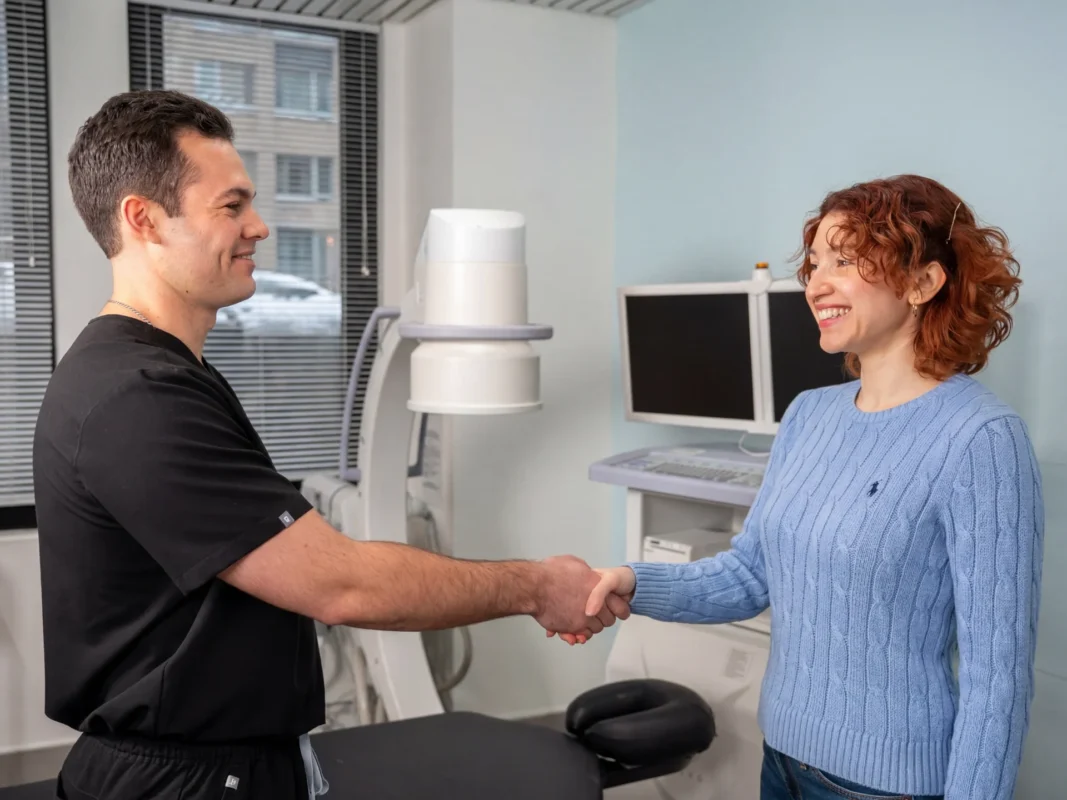
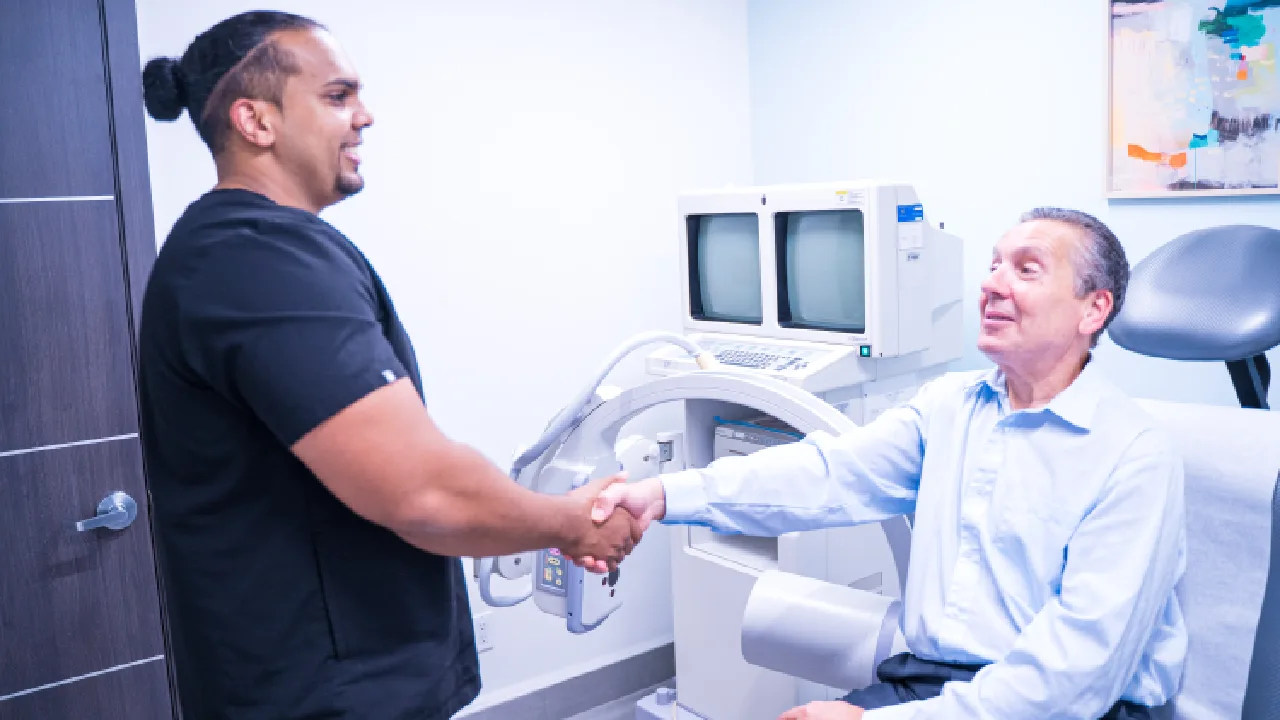
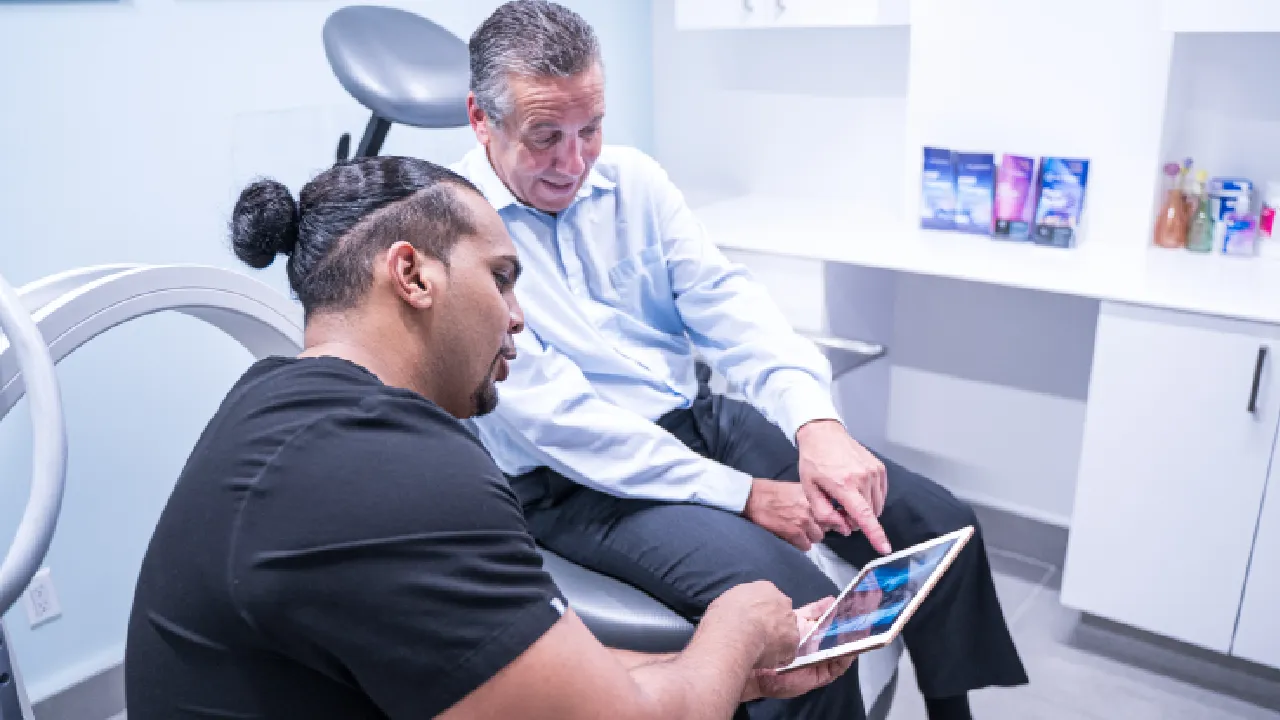

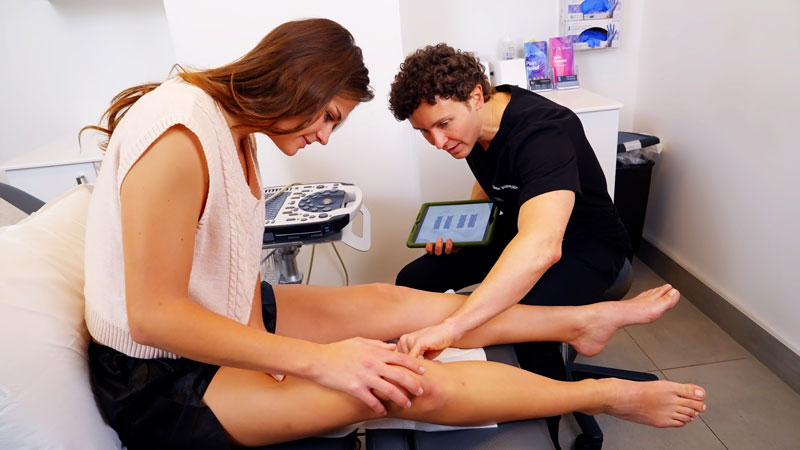
About the Medical Team at Pain Treatment Specialists

At Pain Treatment Specialists, our approach is rooted in an academic, evidence-based model of care that prioritizes patient safety and long-term outcomes. Our clinicians are trained at the nation’s leading medical institutions, bringing a high level of expertise to the diagnosis and treatment of complex pain conditions.
Clinical leadership at Pain Treatment Specialists is guided by a panel of board-certified specialists responsible for establishing and maintaining the clinic’s medical standards. Their approach reflects training developed at nationally recognized academic institutions such as Harvard, Yale, and Columbia.
All physicians follow a structured, highly standardized clinical model. This includes ongoing training in the latest non-surgical treatments, continuous review of emerging research, and strict adherence to proven safety and quality protocols to ensure consistent results.
If you’re experiencing symptoms and want clarity about the cause, a medical evaluation can help guide the next step. Schedule a Consultation

See how we change lives
Start Your Journey to
Pain-Free Life
At Pain Treatment Specialists, education is considered a core part of treatment. Patients are encouraged to understand their condition, their options, and the reasoning behind each recommendation to foster a collaborative recovery environment.
If you’re experiencing symptoms and want clarity about the cause, a medical evaluation can help guide the next step.
Take control, start feeling better
Take the first step to personalized care for your type of acute and chronic pain. One of our patient coordinators will call you to schedule your visit and verify insurance coverage.
