





Table of contents

Get treated by pain treatment industry leaders
Degenerative Disc Disease Symptoms: Identifying Spinal Wear

Medically verified
Last updated on 03/17/2026

By Dr. George Hanna
Pain Doctor at Pain Treatment Specialists
University of Pennsylvania
Double Certified in Anesthesiology and Pain Medicine.
Degenerative disc disease symptoms often present as a complex combination of localized mechanical pain and radiating neurological sensations. Identifying these early warning signs is essential for preventing the progressive wear of the spine from leading to permanent functional loss.
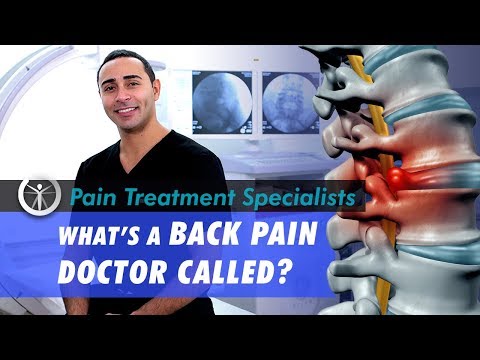
At Pain Treatment Specialists, we use an academic care model to map your symptoms to their anatomical source. By understanding the physiological triggers of your discomfort, we provide the diagnostic clarity needed to develop an effective, non-surgical roadmap toward recovery.
What are the Primary Symptoms of Disc Degeneration?
The most common symptoms of degenerative disc disease involve a persistent, low-level ache in the lower back or neck that occasionally flares up into intense episodes of pain. This “discogenic pain” is typically mechanical, meaning it is triggered or worsened by specific movements or positions that place pressure on the thinned spinal discs. Patients often report that their pain increases during prolonged sitting, bending, or lifting, as these activities compress the vertebrae and force the thinned disc to work harder as a shock absorber. Conversely, walking or changing positions frequently may provide temporary relief by redistributing the mechanical load.
In addition to localized pain, chronic stiffness is a hallmark of disc degeneration. As the discs lose height and hydration, the surrounding ligaments and facet joints may become inflamed, leading to a restricted range of motion. This is often most noticeable in the morning or after long periods of inactivity. At Pain Treatment Specialists, we evaluate these symptoms to determine if the pain is originating from the disc itself or from the secondary instability caused by the disc’s wear. By identifying these patterns early, we can intervene with targeted treatments that stabilize the spine and reduce the inflammatory triggers that cause daily discomfort.
Does Disc Degeneration Cause Nerve Pain?
Yes, one of the most significant symptoms of degenerative disc disease is “radiculopathy,” which occurs when the thinning disc or an associated bone spur irritates a nearby nerve root. In the lumbar spine, this often manifests as sciatica—a sharp, electric-like pain that radiates from the lower back through the buttocks and down the leg. In the cervical spine (neck), it can cause shooting pain, numbness, or tingling that travels into the shoulders, arms, or hands. These neurological signs are critical indicators that the disc’s structural changes are impacting the nervous system’s ability to send and receive signals correctly.
For many patients, these radiating sensations are accompanied by localized muscle weakness or a “heavy” feeling in the limbs. This happens because the compressed nerve root cannot effectively transmit the electrical impulses needed for muscle contraction. Recognizing these neurological symptoms is a core part of our academic approach. Our board-certified specialists utilize physical exams and imaging to map which specific nerve roots are being affected by the degenerating disc. Addressing this nerve irritation through interventional procedures is the most effective way to stop the “shooting” pain and prevent long-term neurological complications.

"I've been walking more and I don't feel that excruciating pain"
Joseph
Knee pain patient
"I'm feeling better and sleeping much more."
Charina
Back pain patient
"My knees have never felt better, I'm so happy"
Jasmin
Knee pain patient
"I immediately felt the relief and a lot of comfort."
Carlos
Knee pain patient
When Should You See a Specialist for Your Symptoms?
While a “sore back” may seem minor, certain degenerative disc disease symptoms necessitate a prompt medical evaluation. You should seek a specialist if your pain lasts longer than six weeks, is severe enough to wake you from sleep, or is accompanied by any degree of muscle weakness. These signs suggest that the structural wear of your spine has reached a point where the body’s natural healing mechanisms can no longer keep up. Seeking a clinical diagnosis early allows for non-surgical interventions that can halt the progression of the condition and restore your spinal stability before the damage becomes more extensive.
A consultation at Pain Treatment Specialists provides the diagnostic clarity needed to understand your symptoms through a medical lens. Our physicians specialize in non-surgical recovery, offering the same high-level expertise found at top academic medical institutions. We take the time to explain your diagnosis and how interventional techniques—such as guided injections—can resolve your pain without major surgery. If your symptoms are stopping you from working, exercising, or enjoying your life, a professional diagnostic workup is the most reliable way to explore your options and start your journey toward a life free from disc-related discomfort.
Most PPO insurances cover pain treatment!
and 100+ more
Questions about your insurance coverage?
We know health insurance is confusing, fortunately our expert team is always willing to help!
Just call us (877) 461-0819 to verify your coverage or answer any concern you may have.

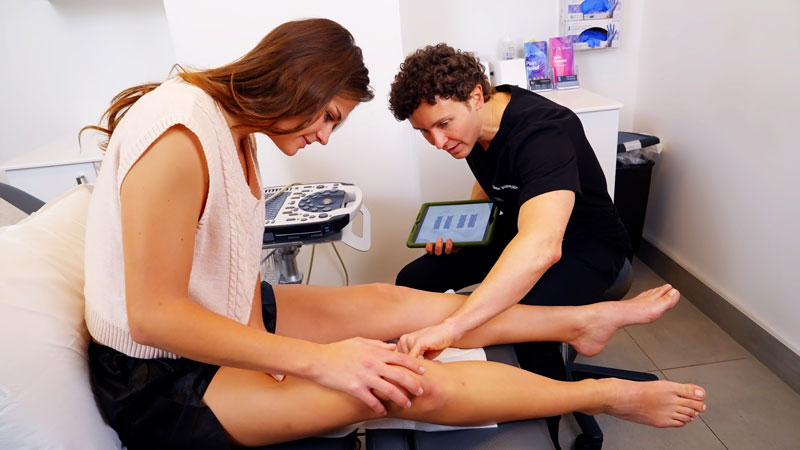
About the Medical Team at Pain Treatment Specialists

At Pain Treatment Specialists, our approach is rooted in an academic, evidence-based model of care that prioritizes patient safety and long-term outcomes. Our clinicians are trained at the nation’s leading medical institutions, bringing a high level of expertise to the diagnosis and treatment of complex pain conditions.
Clinical leadership at Pain Treatment Specialists is guided by a panel of board-certified specialists responsible for establishing and maintaining the clinic’s medical standards. Their approach reflects training developed at nationally recognized academic institutions such as Harvard, Yale, and Columbia.
All physicians follow a structured, highly standardized clinical model. This includes ongoing training in the latest non-surgical treatments, continuous review of emerging research, and strict adherence to proven safety and quality protocols to ensure consistent results.
If you’re experiencing symptoms and want clarity about the cause, a medical evaluation can help guide the next step. Schedule a Consultation

See how we change lives
Start Your Journey to
Pain-Free Life
At Pain Treatment Specialists, education is considered a core part of treatment. Patients are encouraged to understand their condition, their options, and the reasoning behind each recommendation to foster a collaborative recovery environment.
If you’re experiencing symptoms and want clarity about the cause, a medical evaluation can help guide the next step.
Take control, start feeling better
Take the first step to personalized care for your type of acute and chronic pain. One of our patient coordinators will call you to schedule your visit and verify insurance coverage.
