





Table of contents

Get treated by pain treatment industry leaders
How to Reduce Inflammation in the Lower Back: A Clinical Guide

Medically verified
Last updated on 03/17/2026

By Dr. George Hanna
Pain Doctor at Pain Treatment Specialists
University of Pennsylvania
Double Certified in Anesthesiology and Pain Medicine.
Reducing inflammation in the lower back is the primary goal of any effective pain management strategy, as swelling is often the underlying driver of nerve compression and disc discomfort.
Many patients first describe it simply as "inflammation in my back," but lower back pain and inflammation can come from several different structures, including discs, joints, and muscles.
Understanding how to neutralize the body's inflammatory response is essential for restoring spinal health.
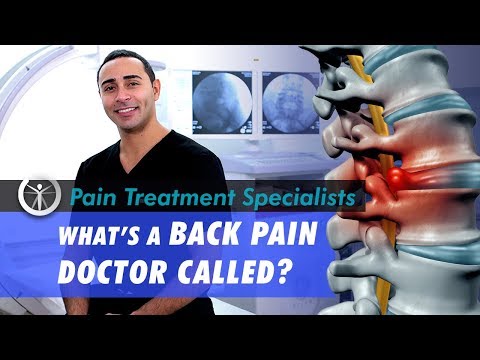
At Pain Treatment Specialists, we combine home-based anti-inflammatory techniques with advanced clinical procedures to provide a comprehensive solution. Our academic approach ensures that we target the biological source of your swelling, providing long-term relief and functional recovery.
What Causes Inflammation in the Lower Back?
Lower back inflammation causes range from tissue damage and mechanical stress to structural changes in the spine. When a disc herniates or a joint becomes strained, the body releases inflammatory chemicals to protect the area and initiate healing. However, in the confined space of the spinal canal, this swelling often backfires by placing direct pressure on the sensitive nerve roots. This leads to the characteristic "electric" pain and stiffness associated with back injuries, making the reduction of inflammation the first priority in any recovery plan.
Understanding that inflammation is both a healing mechanism and a source of pain is crucial for long-term management. Chronic inflammation can occur when the mechanical source of the irritation—such as a bulging disc—is not addressed, leading to a persistent cycle of swelling and discomfort. At Pain Treatment Specialists, we use a diagnostic approach to determine whether you are dealing with inflammation in back muscles or lumbar inflammation originating from the deeper spinal structures, allowing us to apply the most effective anti-inflammatory strategies for your specific diagnosis.
Lower Back Inflammation Symptoms
Spinal inflammation rarely causes visible swelling, so most patients recognize it by how it feels.
Common signs include lower back tenderness when the area is pressed, morning stiffness that eases with movement, a dull or throbbing ache that worsens after activity, and, in some cases, mild lower spine swelling or warmth over the affected area. When inflamed tissue presses on a nerve, the pain can also spread into the buttock or leg.
What are the Most Effective Ways to Calm Swelling?
The most reliable way to reduce back inflammation is a multi-faceted approach that starts with temperature therapy and lifestyle adjustments. Choosing ice or heat for back swelling depends on timing: ice works best during the first 48 to 72 hours of a flare-up, while heat is more helpful later to relax tight muscles.
Applying ice to the lumbar region during an acute flare-up is one of the most effective ways to constrict blood vessels and limit the accumulation of inflammatory fluids. When appropriate for your health history, a short course of an over-the-counter anti-inflammatory for back pain, or a topical lower back anti inflammatory gel, can also ease symptoms when used as directed. These home-based strategies provide a supportive foundation for recovery, especially when combined with relative rest and proper hydration.
For inflammation that does not respond to home care, clinical inflammation treatment with interventional procedures is often necessary. Procedures such as Epidural Steroid Injections (ESI) are specifically designed to deliver concentrated anti-inflammatory medication directly to the source of the swelling. By flushing the area with these potent agents, we can achieve a rapid reduction in nerve irritation that oral medications cannot match. This targeted approach quietens the "inflammatory soup" surrounding the nerve roots, providing the immediate relief needed to begin functional rehabilitation and long-term stabilization.

"I've been walking more and I don't feel that excruciating pain"
Joseph
Knee pain patient
"I'm feeling better and sleeping much more."
Charina
Back pain patient
"My knees have never felt better, I'm so happy"
Jasmin
Knee pain patient
"I immediately felt the relief and a lot of comfort."
Carlos
Knee pain patient
When Should Inflammation Be Treated by a Specialist?
While minor inflammation may resolve with a few days of rest, persistent or severe lower back swelling should be evaluated by a board-certified specialist. If you find that your pain is accompanied by warmth, redness, or a significant loss of mobility, it indicates that the inflammatory response is too aggressive for self-care alone. Furthermore, if the inflammation is causing neurological symptoms like numbness or weakness in your legs, it is a sign that the swelling is compromising your nerve function and requires immediate clinical intervention to prevent lasting damage.
A professional evaluation at Pain Treatment Specialists allows us to identify the structural "trigger" that is keeping your back in a state of constant inflammation. By addressing the root cause—whether it is facet joint arthritis or a herniated disc—we stop the cycle of recurring swelling. Our academic care model provides you with a clear roadmap that moves from acute inflammation reduction to long-term spinal protection. If your back pain is persistent and home remedies are failing, a diagnostic workup is the most reliable way to achieve lasting relief and functional freedom.
Most PPO insurances cover pain treatment!
and 100+ more
Questions about your insurance coverage?
We know health insurance is confusing, fortunately our expert team is always willing to help!
Just call us (877) 461-0819 to verify your coverage or answer any concern you may have.

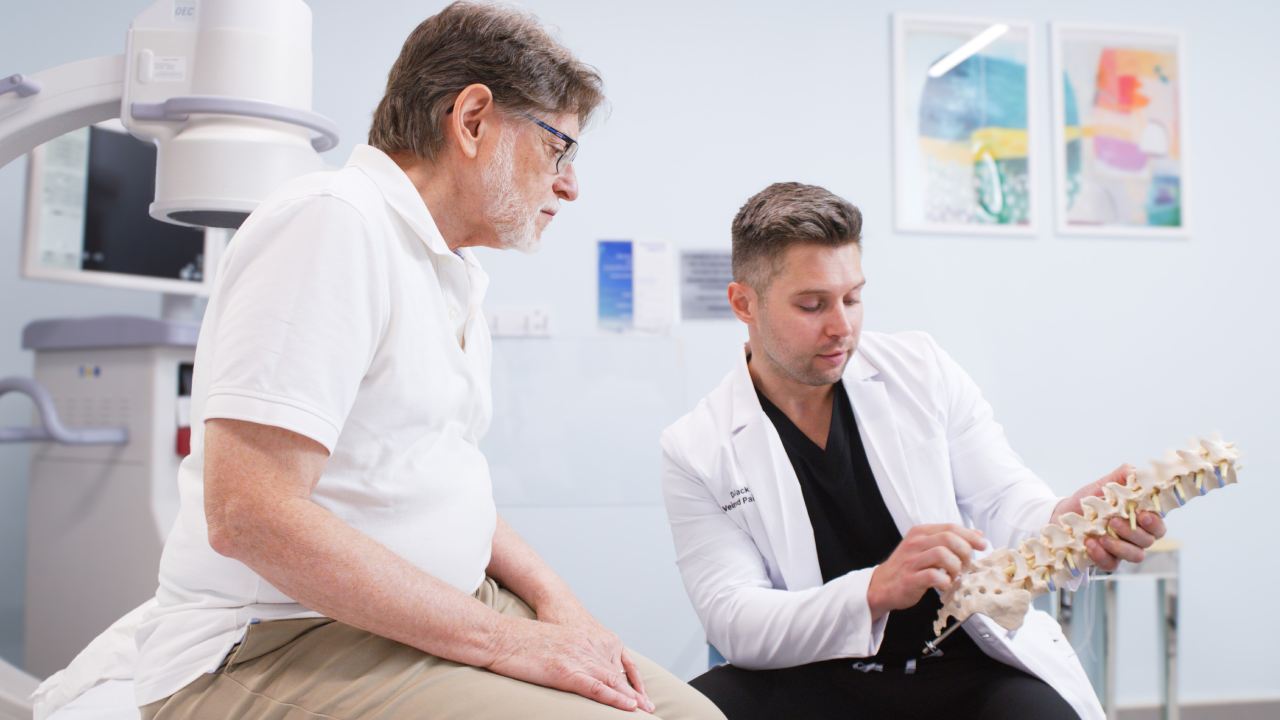
About the Medical Team at Pain Treatment Specialists

At Pain Treatment Specialists, our approach is rooted in an academic, evidence-based model of care that prioritizes patient safety and long-term outcomes. Our clinicians are trained at the nation’s leading medical institutions, bringing a high level of expertise to the diagnosis and treatment of complex pain conditions.
Clinical leadership at Pain Treatment Specialists is guided by a panel of board-certified specialists responsible for establishing and maintaining the clinic’s medical standards. Their approach reflects training developed at nationally recognized academic institutions such as Harvard, Yale, and Columbia.
All physicians follow a structured, highly standardized clinical model. This includes ongoing training in the latest non-surgical treatments, continuous review of emerging research, and strict adherence to proven safety and quality protocols to ensure consistent results.
If you’re experiencing symptoms and want clarity about the cause, a medical evaluation can help guide the next step. Schedule a Consultation

See how we change lives
Start Your Journey to
Pain-Free Life
At Pain Treatment Specialists, education is considered a core part of treatment. Patients are encouraged to understand their condition, their options, and the reasoning behind each recommendation to foster a collaborative recovery environment.
If you’re experiencing symptoms and want clarity about the cause, a medical evaluation can help guide the next step.
Take control, start feeling better
Take the first step to personalized care for your type of acute and chronic pain. One of our patient coordinators will call you to schedule your visit and verify insurance coverage.
