





Table of contents

Get treated by pain treatment industry leaders
Pinched Nerve: Understanding Nerve Compression and Relief

Medically verified
Last updated on 03/17/2026

By Dr. George Hanna
Pain Doctor at Pain Treatment Specialists
University of Pennsylvania
Double Certified in Anesthesiology and Pain Medicine.
A pinched nerve occurs when surrounding tissues—such as bones, cartilage, muscles, or tendons—apply too much pressure to a nerve. This compression interrupts the nerve's normal signaling, leading to pain, tingling, numbness, or weakness that often radiates far from the site of the actual pressure.
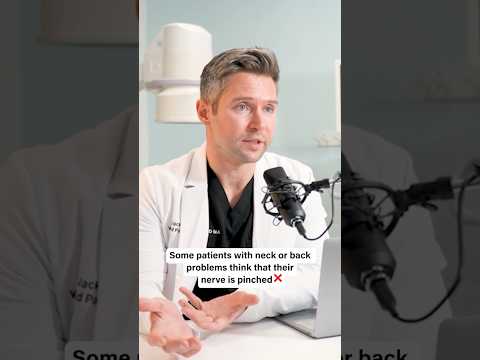
At Pain Treatment Specialists, we use an academic care model to diagnose and resolve nerve entrapment. By combining precision imaging with minimally invasive interventional care, we help our patients decompress the nerve and restore neurological function without the need for major surgery.
What is Pinched Nerve?
In clinical terms, a pinched nerve is a form of peripheral neuropathy or radiculopathy. It happens when a nerve is physically crowded or compressed at a specific anatomical bottleneck. Common locations include the spinal canal (where a herniated disc may press on a nerve root) or the wrist (carpal tunnel syndrome). When the protective barrier around a nerve is compromised by pressure, the resulting inflammation causes the "electrical" symptoms associated with nerve irritation. If you are wondering What is pinched nerve? and how it differs from muscle pain, the answer lies in the specific pathway of the discomfort.
The primary risk of an unaddressed pinched nerve is long-term nerve damage or muscle atrophy. At Pain Treatment Specialists, our board-certified physicians specialize in identifying the exact level of compression. Using advanced diagnostics like EMG (electromyography) or high-resolution MRI, we can pinpoint the source of the pressure. This allows us to move beyond general symptom management and create a Pinched nerve treatment plan that physically relieves the entrapment, allowing the nerve to heal and resume normal communication with the brain.
Recognizing the Signs and Sensations
Most patients first notice Pinched nerve symptoms as a sharp, burning, or aching pain that "travels" along a specific path. You may also experience "pins and needles" (paresthesia) or a localized numbness that feels like a limb has "fallen asleep." One of the most common questions we hear is, "What does it feel like when your sciatic nerve is pinched?" Patients typically describe a searing pain that starts in the lower back or buttock and shoots down the back of the leg, sometimes reaching the foot. This radiating pattern is a hallmark of nerve involvement.
Because nerve fibers are highly sensitive, even minor compression can cause significant functional impairment. You might notice muscle weakness in the affected area or a loss of fine motor skills. Our academic approach focuses on early interventional screening. By evaluating the severity of your Pinched nerve symptoms, we can determine if the nerve is simply irritated or if it is in danger of permanent injury. Early diagnosis is the most effective way to ensure a full recovery of both sensation and strength.

"I've been walking more and I don't feel that excruciating pain"
Joseph
Knee pain patient
"I'm feeling better and sleeping much more."
Charina
Back pain patient
"My knees have never felt better, I'm so happy"
Jasmin
Knee pain patient
"I immediately felt the relief and a lot of comfort."
Carlos
Knee pain patient
Advanced Pinched Nerve Treatment
Modern interventional medicine has revolutionized Pinched nerve treatment, moving away from "wait and see" approaches toward active decompression. We utilize precision-guided epidural steroid injections to reduce the inflammation around a compressed spinal nerve root, effectively "opening up" space for the nerve to function. For more complex cases, minimally invasive procedures can physically remove the source of the pressure—such as a thickened ligament—providing the same benefits as surgery with significantly less downtime and risk.
A consultation at Pain Treatment Specialists provides the expert clarity needed to understand your neurological health. Our physicians are trained at the nation’s top institutions and focus on evidence-based, non-surgical recovery. We take the time to explain your specific diagnosis and how our advanced techniques can resolve your pain safely. If a pinched nerve is stopping you from staying active or sleeping comfortably, a professional diagnostic workup is the most reliable first step toward achieving a life that is no longer defined by nerve pain.
Most PPO insurances cover pain treatment!
and 100+ more
Questions about your insurance coverage?
We know health insurance is confusing, fortunately our expert team is always willing to help!
Just call us (877) 461-0819 to verify your coverage or answer any concern you may have.

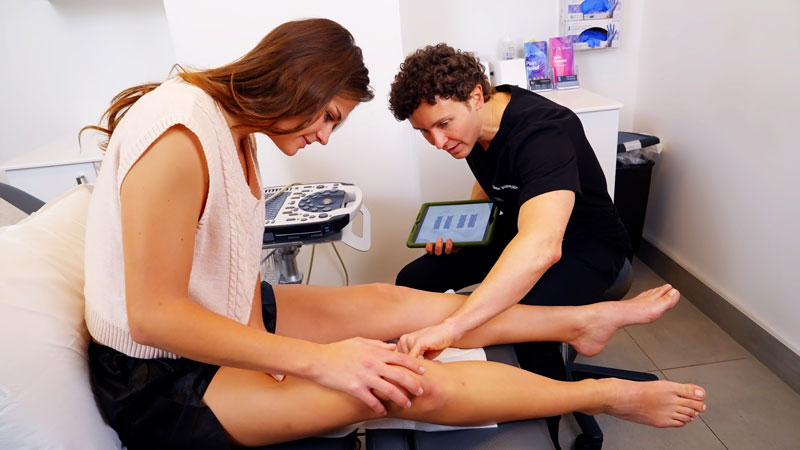
About the Medical Team at Pain Treatment Specialists

At Pain Treatment Specialists, our approach is rooted in an academic, evidence-based model of care that prioritizes patient safety and long-term outcomes. Our clinicians are trained at the nation’s leading medical institutions, bringing a high level of expertise to the diagnosis and treatment of complex pain conditions.
Clinical leadership at Pain Treatment Specialists is guided by a panel of board-certified specialists responsible for establishing and maintaining the clinic’s medical standards. Their approach reflects training developed at nationally recognized academic institutions such as Harvard, Yale, and Columbia.
All physicians follow a structured, highly standardized clinical model. This includes ongoing training in the latest non-surgical treatments, continuous review of emerging research, and strict adherence to proven safety and quality protocols to ensure consistent results.
If you’re experiencing symptoms and want clarity about the cause, a medical evaluation can help guide the next step. Schedule a Consultation

See how we change lives
Start Your Journey to
Pain-Free Life
At Pain Treatment Specialists, education is considered a core part of treatment. Patients are encouraged to understand their condition, their options, and the reasoning behind each recommendation to foster a collaborative recovery environment.
If you’re experiencing symptoms and want clarity about the cause, a medical evaluation can help guide the next step.
Take control, start feeling better
Take the first step to personalized care for your type of acute and chronic pain. One of our patient coordinators will call you to schedule your visit and verify insurance coverage.
