





Table of contents

Get treated by pain treatment industry leaders
Tendonitis: Understanding Tendon Inflammation and Recovery

Medically verified
Last updated on 03/17/2026

By Dr. George Hanna
Pain Doctor at Pain Treatment Specialists
University of Pennsylvania
Double Certified in Anesthesiology and Pain Medicine.
Tendonitis is a clinical condition characterized by the inflammation or irritation of a tendon—the thick fibrous cords that attach muscle to bone. Understanding how this irritation impacts your joint mechanics is the first step toward a targeted recovery and long-term functional stability.

At Pain Treatment Specialists, we use an academic care model to address the biological source of tendon pain. By combining precision diagnostics with minimally invasive interventional care, we help our patients resolve inflammation and return to an active life without invasive surgery.
What is Tendonitis?
Tendonitis, often spelled tendinitis, occurs when a tendon becomes overloaded or irritated, leading to localized pain and tenderness just outside a joint. While tendons are designed to withstand significant tension, repetitive stress or sudden injury can cause microscopic tears in the tissue. This triggers an inflammatory response that makes movement painful and reduces the tendon's ability to transmit force effectively. Common sites for this condition include the shoulders, elbows, wrists, and heels, where tendons are frequently subjected to mechanical friction.
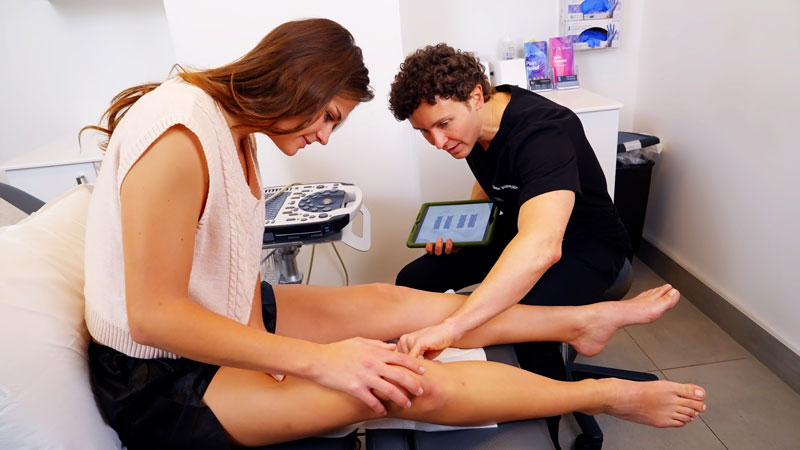
The primary challenge of tendonitis is that it often becomes a chronic cycle of degeneration if not addressed correctly. At Pain Treatment Specialists, we view tendonitis as a structural issue that requires a specialized clinical response. Our board-certified physicians use advanced imaging, such as high-resolution ultrasound, to visualize the tendon’s integrity. This allows us to distinguish between simple inflammation and more advanced "tendonosis"—a condition where the tendon tissue itself begins to break down—ensuring your treatment plan is biologically accurate.
Common Symptoms and Locations
The symptoms of tendonitis typically manifest as a dull ache, especially when moving the affected limb or joint. You may notice localized swelling and a "grating" sensation as the tendon moves through its protective sheath. In specific areas, such as the back of the ankle, patients often experience Achilles tendinitis, which can make walking or running nearly impossible. In the pelvic region, hip tendonitis symptoms often present as deep aching in the groin or outer hip, which is frequently aggravated by climbing stairs or prolonged sitting.
If left unaddressed, persistent tendon irritation can lead to significant weakness and a loss of joint stability. Our academic approach focuses on early identification of these clinical markers. By mapping where the pain is most concentrated, we can intervene with medical strategies that neutralize the inflammatory response. This provides the symptomatic relief necessary to begin targeted tendonitis therapy, which focuses on eccentric loading and structural strengthening to ensure the tendon can handle the stresses of your daily lifestyle once again.

"I've been walking more and I don't feel that excruciating pain"
Joseph
Knee pain patient
"I'm feeling better and sleeping much more."
Charina
Back pain patient
"My knees have never felt better, I'm so happy"
Jasmin
Knee pain patient
"I immediately felt the relief and a lot of comfort."
Carlos
Knee pain patient
Non-Surgical Tendonitis Treatment
Modern interventional medicine offers highly effective non-surgical pathways for tendonitis treatment. Ultrasound-guided injections are a primary clinical tool, used to deliver anti-inflammatory medication or regenerative substances directly to the site of the irritation with microscopic precision. Additionally, we may utilize techniques like percutaneous tenotomy to clear away damaged tissue and stimulate the body’s natural healing response. These treatments are designed to resolve the biological cause of the pain without the long recovery times associated with traditional orthopedic surgery.
Success in tendon recovery depends on more than just pain relief; it requires a focus on functional stabilization. Understanding what causes tendonitis—whether it is poor posture, faulty mechanics, or overtraining—is essential for preventing future injury. At Pain Treatment Specialists, our goal is to provide a comprehensive, non-invasive roadmap to recovery. If you are looking for a definitive answer to what is tendonitis and how to resolve it for good, a professional diagnostic workup at our clinic is the most reliable first step toward achieving a life of full, pain-free mobility.
Most PPO insurances cover pain treatment!
and 100+ more
Questions about your insurance coverage?
We know health insurance is confusing, fortunately our expert team is always willing to help!
Just call us (877) 461-0819 to verify your coverage or answer any concern you may have.
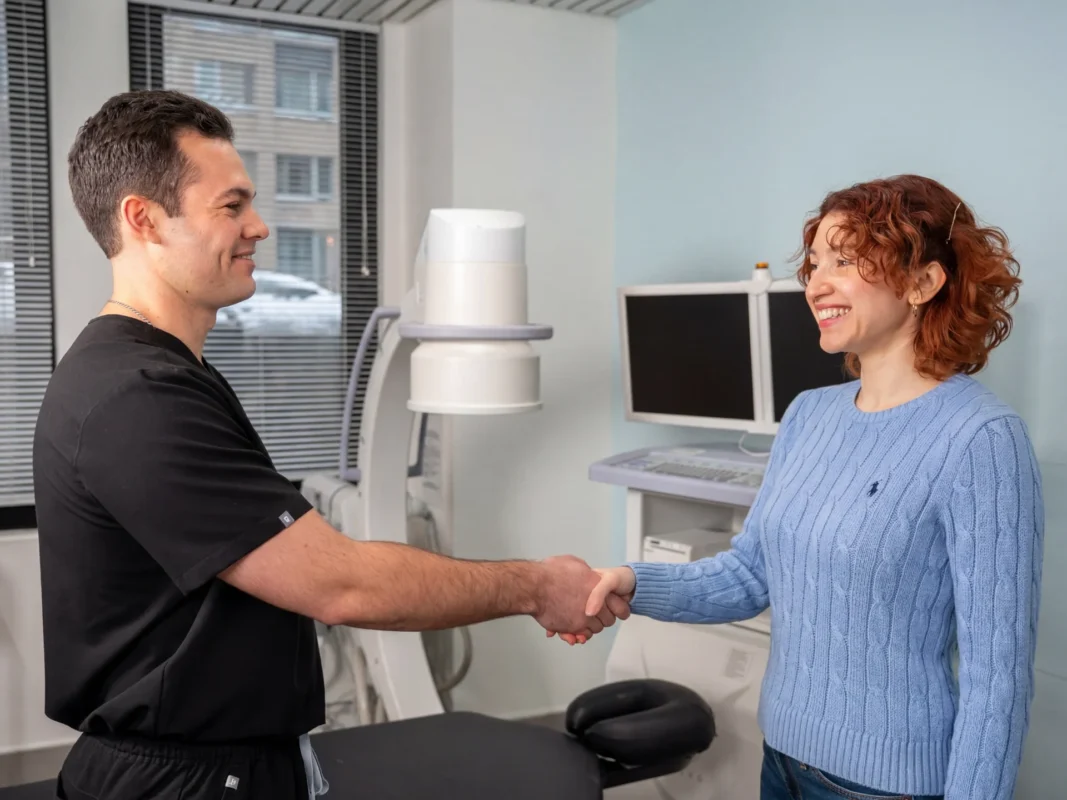
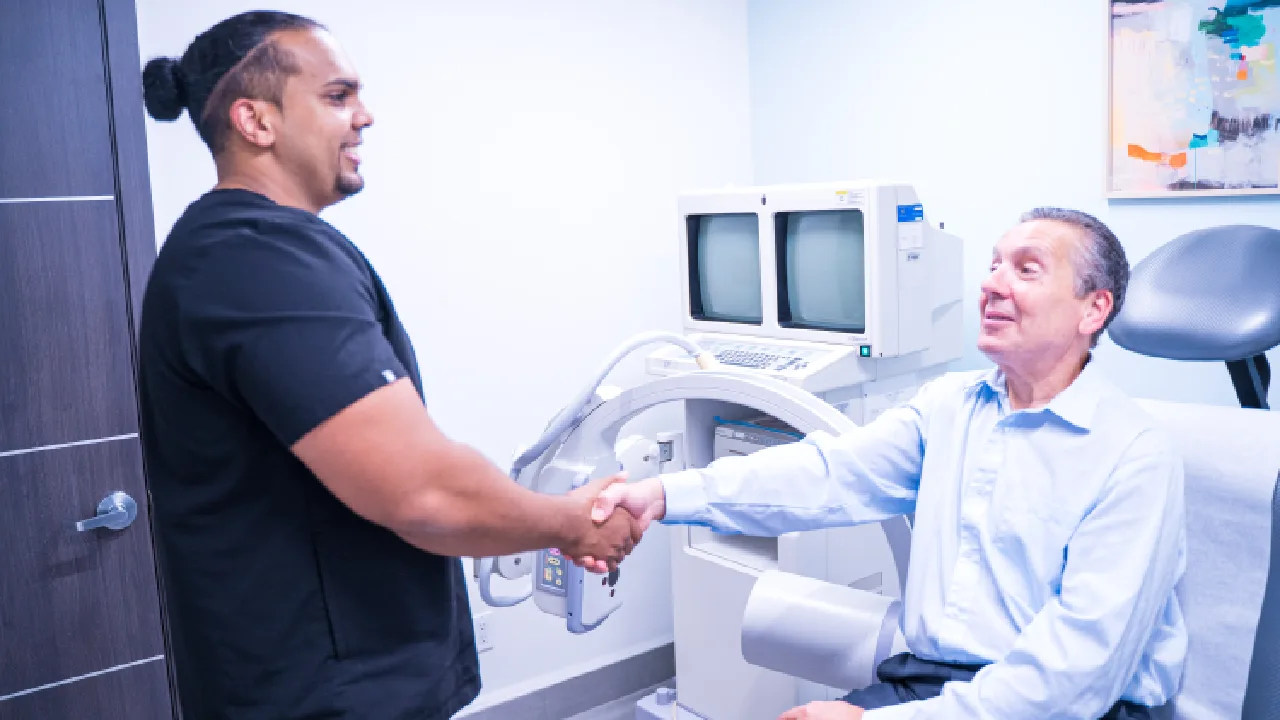
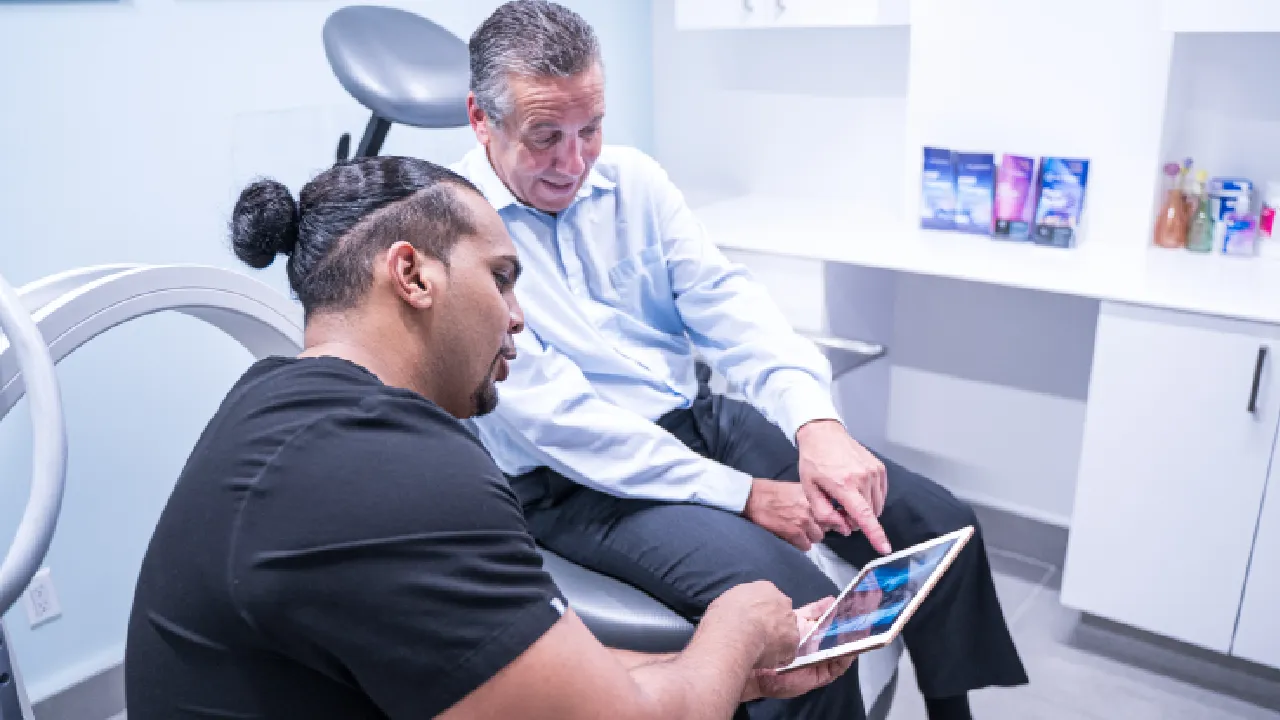

About the Medical Team at Pain Treatment Specialists

At Pain Treatment Specialists, our approach is rooted in an academic, evidence-based model of care that prioritizes patient safety and long-term outcomes. Our clinicians are trained at the nation’s leading medical institutions, bringing a high level of expertise to the diagnosis and treatment of complex pain conditions.
Clinical leadership at Pain Treatment Specialists is guided by a panel of board-certified specialists responsible for establishing and maintaining the clinic’s medical standards. Their approach reflects training developed at nationally recognized academic institutions such as Harvard, Yale, and Columbia.
All physicians follow a structured, highly standardized clinical model. This includes ongoing training in the latest non-surgical treatments, continuous review of emerging research, and strict adherence to proven safety and quality protocols to ensure consistent results.
If you’re experiencing symptoms and want clarity about the cause, a medical evaluation can help guide the next step. Schedule a Consultation

See how we change lives
Start Your Journey to
Pain-Free Life
At Pain Treatment Specialists, education is considered a core part of treatment. Patients are encouraged to understand their condition, their options, and the reasoning behind each recommendation to foster a collaborative recovery environment.
If you’re experiencing symptoms and want clarity about the cause, a medical evaluation can help guide the next step.
Take control, start feeling better
Take the first step to personalized care for your type of acute and chronic pain. One of our patient coordinators will call you to schedule your visit and verify insurance coverage.
